
The keynote, delivered by Kamal Kishore of UNDRR, set the tone: urban resilience must be built into how cities plan, invest, and develop — not bolted on after disaster strikes. Panel discussions carried this forward across three themes — resilient urban planning, community preparedness, and early warning systems — with speakers agreeing that AI's real power lies in supporting people and institutions, not replacing them.
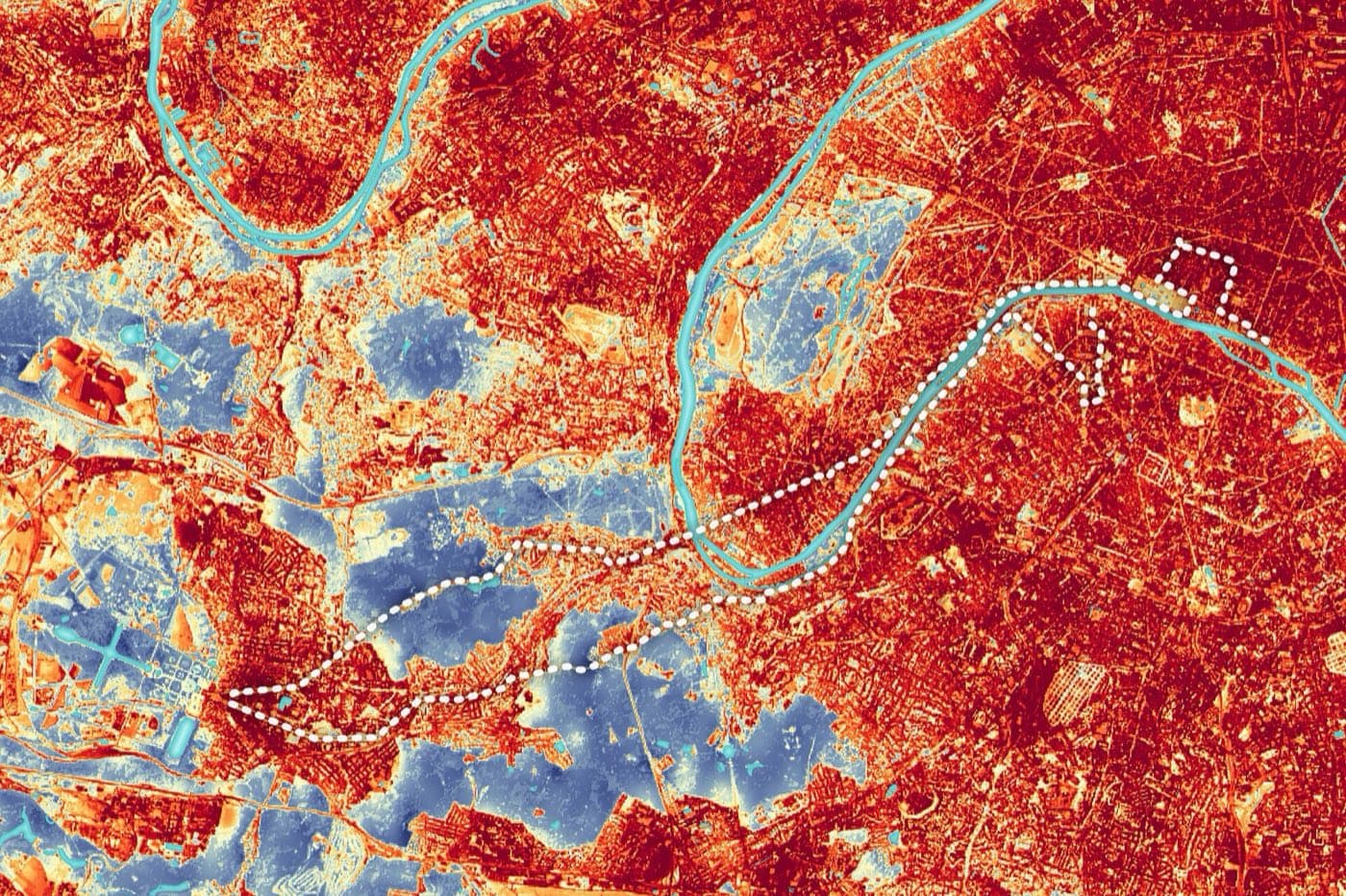
A recurring insight was that extreme heat doesn't affect everyone equally. Women, informal workers, children, and the elderly face outsized risks, making inclusive, people-centered planning essential. Featured presentations from ElementsAI and WCMR Consulting showed this in action — from emergency simulations with ALERT360 to the integrated Heat Resilience Accelerator framework, both already being applied in cities like Abu Dhabi and Nagpur.
The conference closed with a shared commitment: stronger collaboration between governments, researchers, and technology partners to turn AI-driven insight into real-world resilience.