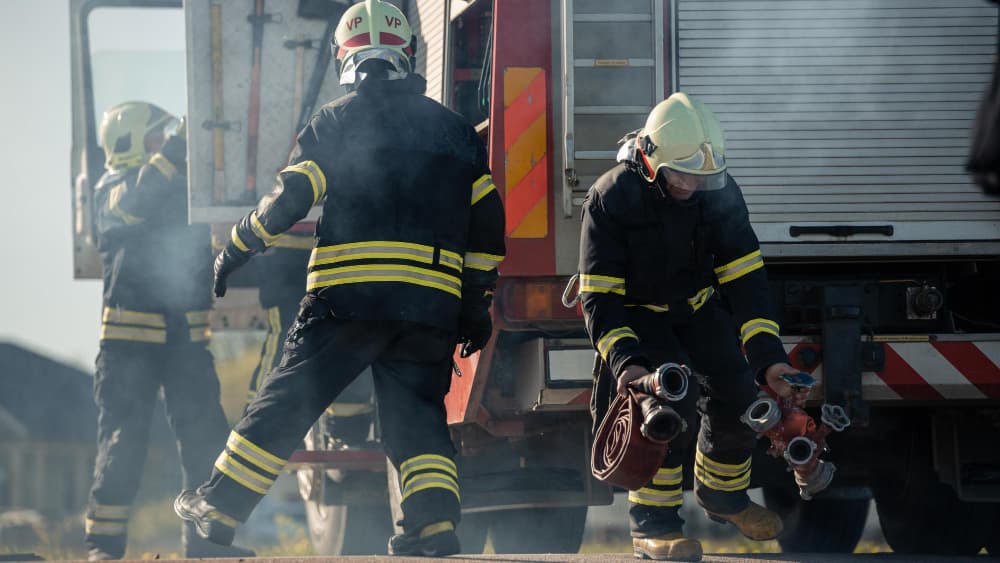

The masterclass "Simulation Ready: From Anticipation to Action" explores how organizations can strengthen disaster preparedness and emergency response through the integration of Artificial Intelligence (AI), anticipatory action, and simulation-based training. The session examines the evolving risk landscape—shaped by climate change, pandemics, cyber threats, and cascading disasters—and highlights the limitations of traditional reactive approaches to crisis management.
Session I
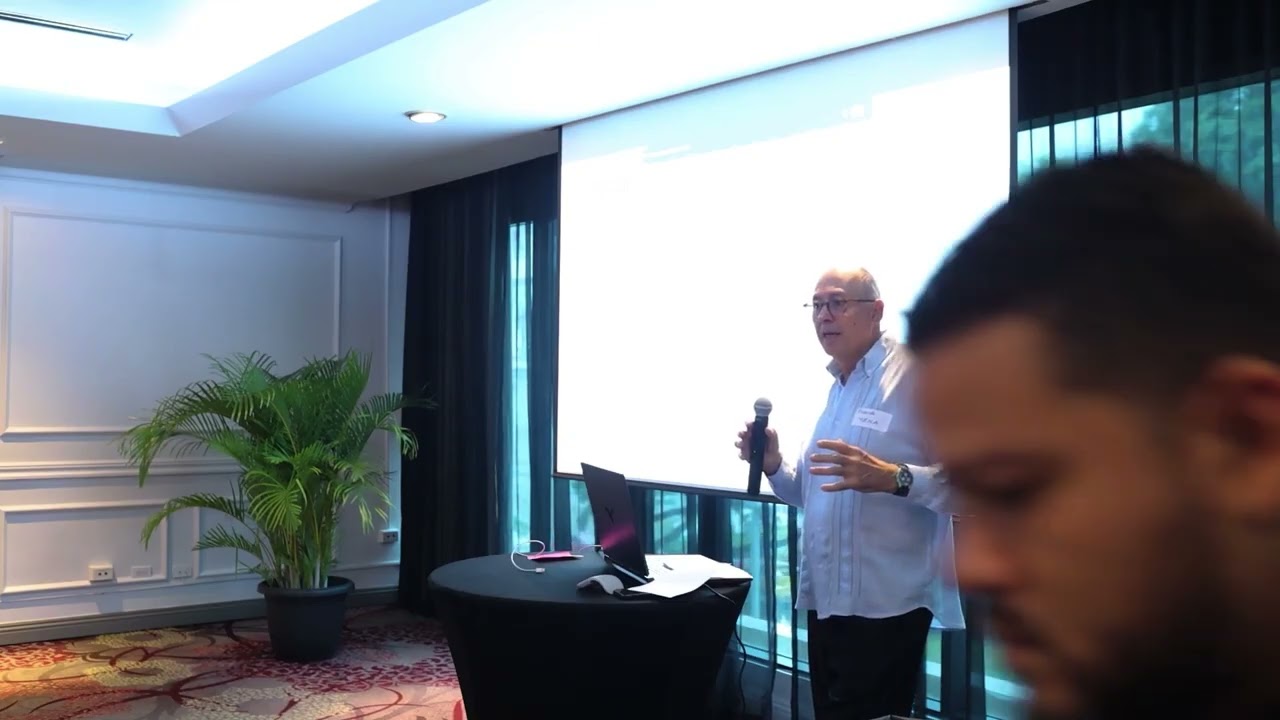
The presentation introduces the concept of anticipatory action, emphasizing key components such as hazard monitoring, vulnerability mapping, pre-agreed triggers, predefined early actions, and pre-arranged financing mechanisms. It demonstrates how AI technologies—such as machine learning, geospatial analytics, remote sensing, and predictive modeling—can enhance risk forecasting, dynamic vulnerability mapping, and real-time hotspot detection to support proactive disaster risk reduction.
Session II
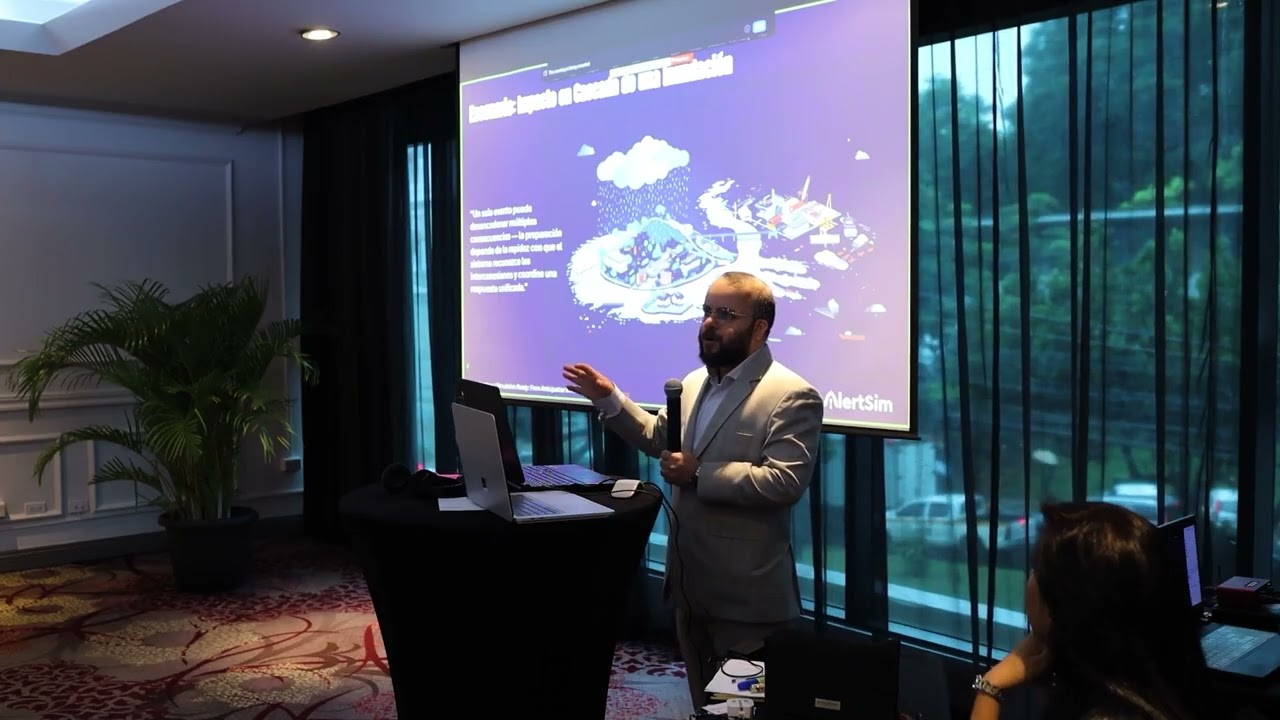
A key focus of the masterclass is strategic readiness, defined as the capability of organizations to anticipate, plan, and coordinate effective responses before crises escalate. Through practical examples, including the application of the ALERTSim platform in industrial emergency planning, the session illustrates how AI-driven simulations, scenario generation, and performance benchmarking can identify preparedness gaps, strengthen emergency response plans, and improve coordination among stakeholders.
Session III
The masterclass also highlights the importance of simulation exercises (SIMEx) as a critical tool for validating emergency plans, testing coordination mechanisms, and fostering continuous learning. Drawing on international frameworks such as the Sendai Framework for Disaster Risk Reduction, the session underscores the need for inclusive, multi-stakeholder simulations that enhance preparedness, resilience, and adaptive response capabilities.
Overall, the presentation demonstrates how human–AI collaboration, anticipatory planning, and simulation-based learning can transform disaster preparedness from static planning into a dynamic system that enables faster, more informed decisions and strengthens organizational readiness for complex emergencies.